

Numismatics
LNS 89 N
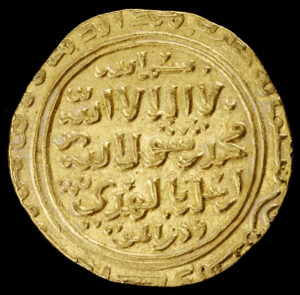
Gold coin (double dinar) of the Mamluk Sultan Baybars I, struck at Cairo, AD 1262–63


Gold coin (double dinar) of the Mamluk Sultan Baybars I, struck at Cairo, AD 1262–63
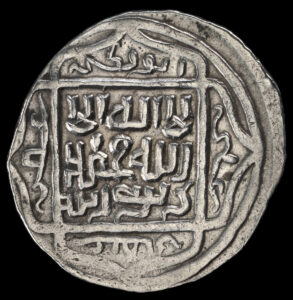
Silver coin (tanqa) of the Timurid Sultan Shah Rukh ibn Timur, struck at Astarabad, AD 1426–27
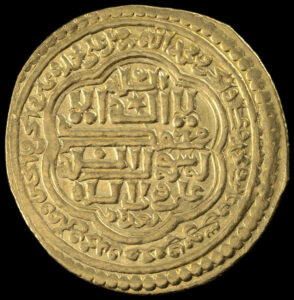
Gold coin (double dinar) of the Ilkhanid ruler Uljaytu ibn Arghun, struck at Baghdad, AD 1315–16
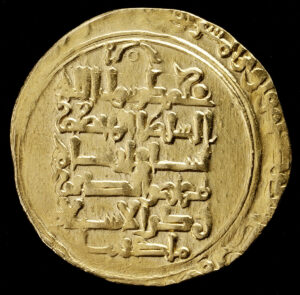
Gold coin (dinar) of the Saljuq Sultan Malikshah ibn Muhammad, struck at Amul, Iran, AD 1086–87
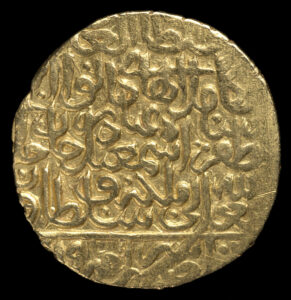
Gold coin (ashrafi) of the Safavid Sultan Shah Isma‘il, struck at Tabriz, AD 1510–11
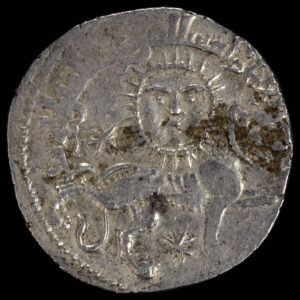
Silver coin (dirham) of the Rum Saljuq Sultan Kaykhusraw II ibn Kayqubad, struck at Konya, Turkey, AD 1241–42
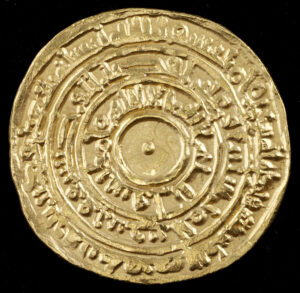
Gold coin (dinar) of the Fatimid Caliph al-Mu‘izz li-Din Allah, struck in Palestine, AD 969–70
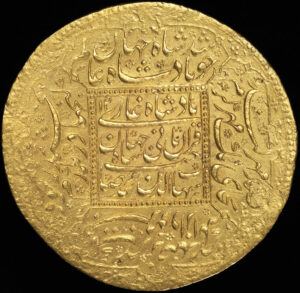
Gold one-hundred muhur presentation coin of Shah Jahan, struck at Lahore, AD 1638–39
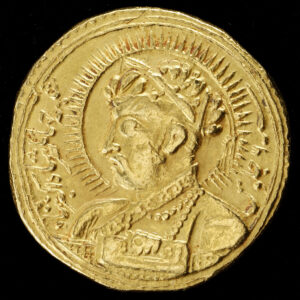
Gold coin (portrait muhur) of the Mughal Emperor Jahangir, dated AH 1020 / AD 1611
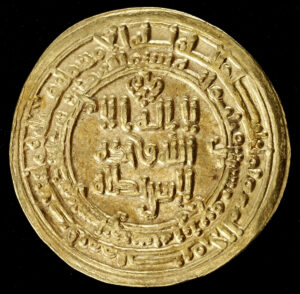
Gold coin (dinar) of the Samanid ruler Nasr II ibn Ahmad II, struck at Nishapur, Iran, AD 935–36
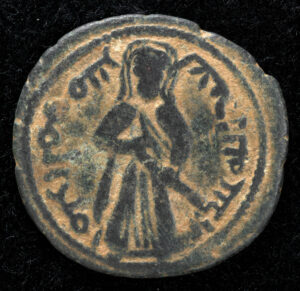
Copper coin (fals) of the Umayyad Caliph Abd al-Malik ibn Marwan, ‘Standing Caliph’ type, struck at Homs, Syria, AD 693–97
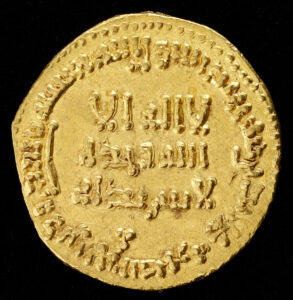
Gold coin (dinar) of the Umayyad Caliph Abd al-Malik ibn Marwan, struck at Damascus, AD 699–700
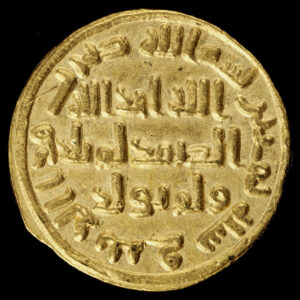
Gold coin (dinar) of the Abbasid Caliph Harun al-Rashid, struck in Iraq, AD 786–87
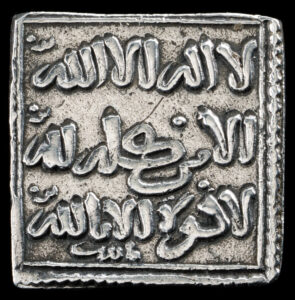
Silver coin (dirham) of the Muwahhid rulers, struck at Fez, Morocco, 12th century
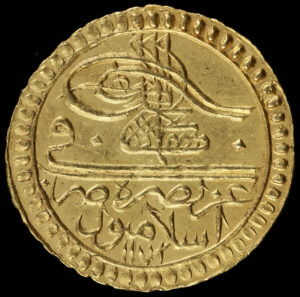
Gold coin (tanqa) of the Ottoman Emperor Mustafa III, struck at Istanbul, AD 1757–58
With more than 12,000 coins in the collection, The al-Sabah Collections numismatic holdings are extensive. Coins in the collection were minted in virtually every corner of the geography of the Islamic world. Equally notable, they were minted over a period
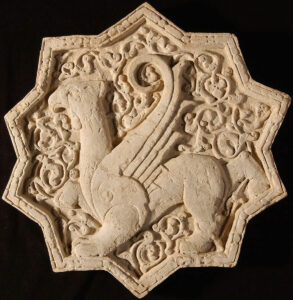
Stone and stucco have a long history in the art and cultures that became the Islamic world. Even as far back as the Bronze Age, stone was used to create almost reverential objects of sacred animals, demons and gods/goddesses.
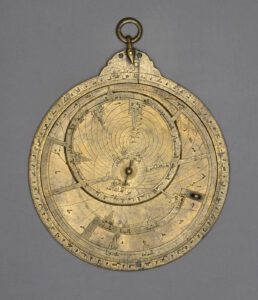
The al-Sabah Collection contains almost two thousand items of metalwork ranging from elaborately worked vessels inlaid with precious metals to simply cast bronze finials in the form of animals. Islamic metalworkers, whether in Cairo or Herat, often fashioned relatively simple