

Art Of the Book


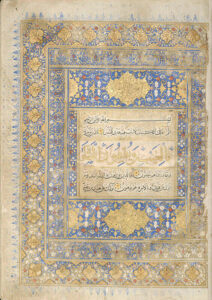
Illuminated manuscript of the Qur’an, text in clouds on a red cross-hatched ground
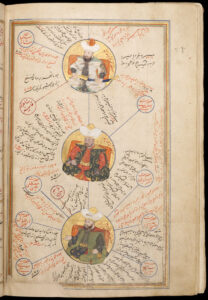
Illustrated genealogy of the Ottoman sultans, page with Orkhan, Murad and Yildirim Bayazid
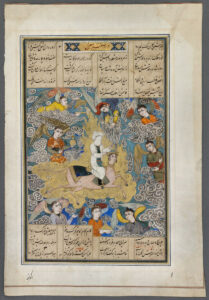
Illustrated leaf from a manuscript of the Khamsa of Nizami, depicting the Mi‘raj (ascension) of the Prophet Muhammad on Buraq
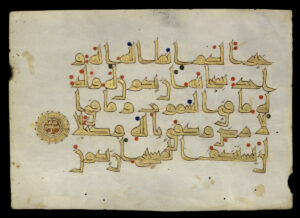
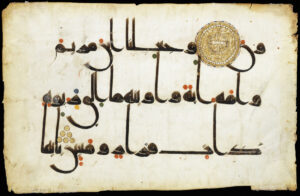
Folio from a dispersed Qur’an, Surat al-Nisa’ 4:171–173 in gold Kufic with illuminated medallion
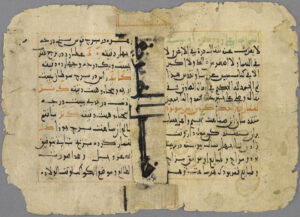
Paper folios from the astrological birth chart of a newborn, with planetary coordinates and predictions
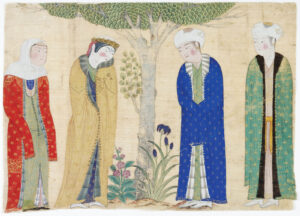
Miniature painting on silk of a princely couple with attendants in opulent dress
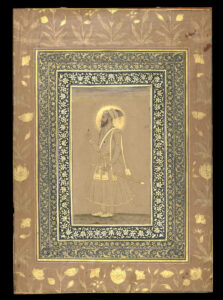
Folio from an album portraying the Mughal emperor Awrangzeb (‘Alamgir) with emeralds and pearls
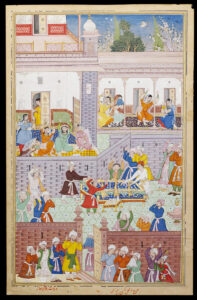
Illustrated leaf from Rashid al-Din’s Jami‘ al-Tawarikh, depiction of Hülegü Khan’s bier
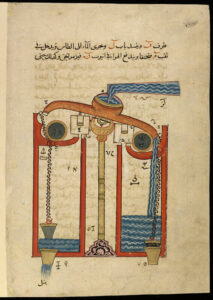
Folio from al-Jazari’s Book of Knowledge of Ingenious Devices, water-powered flute mechanism
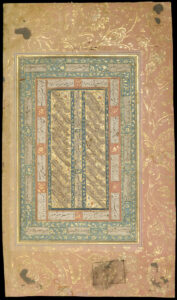
Folio from Dioscorides’ De materia medica, showing Pulegium plant and its medicinal properties
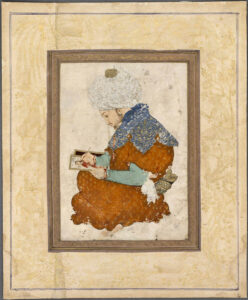
Folio from an album with a painter at work on a miniature, copy of a Timurid work by Bihzad
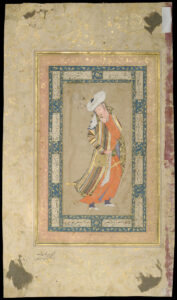
Folio with a youth drinking wine; reverse with calligraphy of Hafiz, Sa‘di, and others
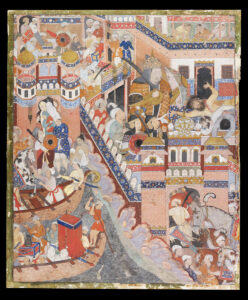
Illustrated folio from the Dastan-e Amir Hamza, showing a fortress capture by Amir Hamza
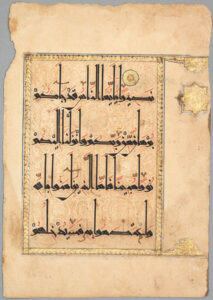
Folio from a Qur’an manuscript in ‘eastern Kufic’ with decorated ground of palmettes
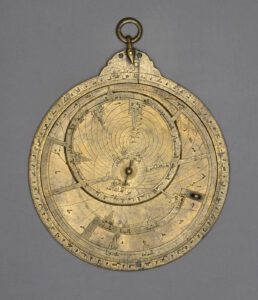
The al-Sabah Collection contains almost two thousand items of metalwork ranging from elaborately worked vessels inlaid with precious metals to simply cast bronze finials in the form of animals. Islamic metalworkers, whether in Cairo or Herat, often fashioned relatively simple
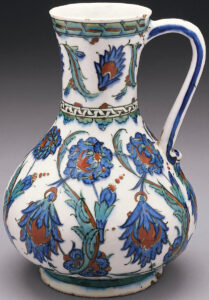
Ceramics is one of the oldest industries, dating back to the Paleolithic era, more than 30,000 years ago. While The al-Sabah Collection is rich in ceramics, the primary focus of the collecting effort concentrated on covering the range of different
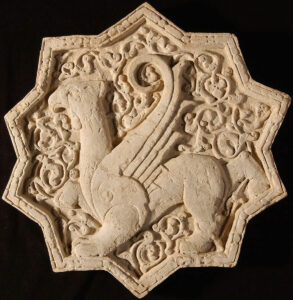
Stone and stucco have a long history in the art and cultures that became the Islamic world. Even as far back as the Bronze Age, stone was used to create almost reverential objects of sacred animals, demons and gods/goddesses.